

Burnout Recovery
Therapy for chronic exhaustion, caregiver burnout, & workplace burnout
in California & Virginia
You’re not “feeling Lazy.” You’re depleted.
There's a difference between being tired and being burned out. Tired gets better after a good night's sleep, a weekend off, a vacation. Burned out doesn't. You've tried all of those things and woken up on the other side still feeling like you're running on fumes.
You used to care. About your work, your relationships, your goals. Now you're just getting through the day. And the part that scares you most is that you're not even sure when that changed.

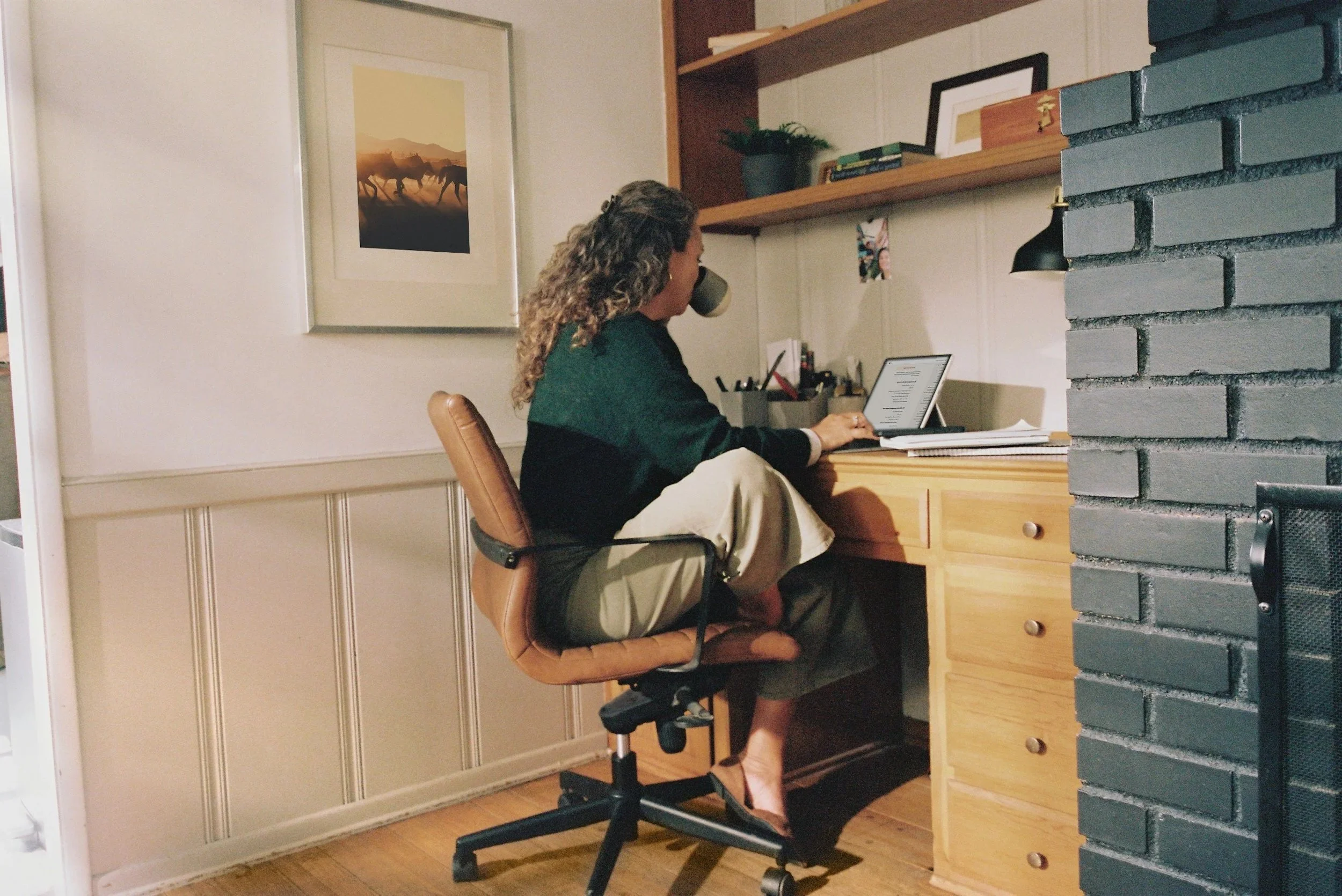
This is what burnout looks like.
It doesn't always look like someone who can't get out of bed. A lot of the people I work with are still showing up, still functioning, still checking things off the list. From the outside, nobody would guess anything is wrong.
But on the inside:
You wake up exhausted no matter how much you slept. You go through the motions at work but the motivation that used to drive you is just gone. Things that used to matter to you feel flat. You've started to resent the responsibilities that once felt meaningful. And when someone asks how you're doing, you say "fine" because explaining the actual answer feels like too much work.
You've lost the thread of who you are outside of what you produce and what you do for other people.
Burnout looks different depending on how you got here
Workplace and career burnout often builds slowly. The extra hours that became the norm, the boundary that never got set, the promotion that came with twice the responsibility and none of the relief you expected. At some point your job stopped feeling like something you did and started feeling like something that was consuming you.
Academic burnout is its own particular kind of exhaustion. Graduate school and doctoral programs ask you to pour everything into work that often feels invisible, underpaid, and endlessly scrutinized. The passion that got you into your program can feel very far away by the time you find your way to therapy.
Caregiver burnout is what happens when you've spent so long prioritizing everyone else's needs that you've stopped being able to identify your own. Whether you're caring for a parent, a child, a partner, or a sibling, the emotional and physical toll of caregiving is real and it rarely gets the attention it deserves.
Neurodivergent burnout is different from all of the above, though it can happen alongside any of them. It's the result of years, sometimes decades, of masking, adapting, and performing neurotypicality in a world not built for your brain. When neurodivergent burnout hits, it can feel like a complete shutdown. The strategies that used to work stop working. The capacity to keep going simply runs out. If you want to work more on challenges related to being neurodivergent in a neurotypical world, you can read more here.

What can we do for burnout recovery in therapy?
Recovery requires understanding how you got here, what kept you here, and what needs to change so you don't end up back in the same place.
In our work together we can address:
The patterns that led to burnout. People pleasing, difficulty saying no, tying your worth entirely to your output, taking on more than your share. These patterns have roots and we dig into them.
Rebuilding your sense of self. When your identity has been built entirely around what you do and what you provide for others, burnout can feel like an identity crisis. We work on reconnecting with who you are outside of your productivity and your roles.
Boundaries that actually hold. Not just the concept of boundaries but the practical, real-life work of knowing what yours are, communicating them, and not collapsing when someone pushes back.
Restoring motivation gradually. Burnout kills motivation and trying to force it back before you're ready only makes things worse. We work at a pace that supports genuine recovery, not just a return to the same unsustainable baseline.
Nervous system regulation. Chronic burnout lives in the body as much as the mind. We work on understanding your nervous system and building practices that support real rest, not just the absence of activity.
Working with Morgan
I work with burned out professionals, graduate students, caregivers, and neurodivergent adults in California and Virginia who are ready to do more than just recover. They want to understand how they got here and build something more sustainable on the other side.
If burnout is showing up alongside perfectionism and high-achieving anxiety, you might also find my page on therapy for high achievers helpful here.
Telehealth sessions are available across California and Virginia. In-person sessions are available in Newport Beach, CA.
Ready to actually recover?
Still unsure if you’re dealing with burnout?
Here are some common signs of burnout to help you understand if you’re dealing with burnout.
-
Burnout isn’t simply about physical exhaustion. Burnout includes emotional exhaustion - feeling drained and unable to recover from the drained feeling.
-
Burnout turns people more cynical over time. Not expecting good outcomes and feeling chronically frustrated with the people around you, whether they’re colleagues or family members.
-
As a result of “checking out” or having trouble managing all of your stressors at once, you struggle to do what you’re supposed to do.
Whether it’s being a caregiver or feeling burned out in your career, burnout makes people less effective over time because of how terrible and tired they feel.
A note: some people may not have measurable performance issues, but may feel as though they’re not effective at what they’re doing. This is still part of burnout. -
Between the exhaustion, cynicism, and feeling less effective in your work - physical symptoms of burnout rise.
Headaches are most common. Followed by GI upset and difficulty falling or staying asleep.